
Grazing animals of the Puszta
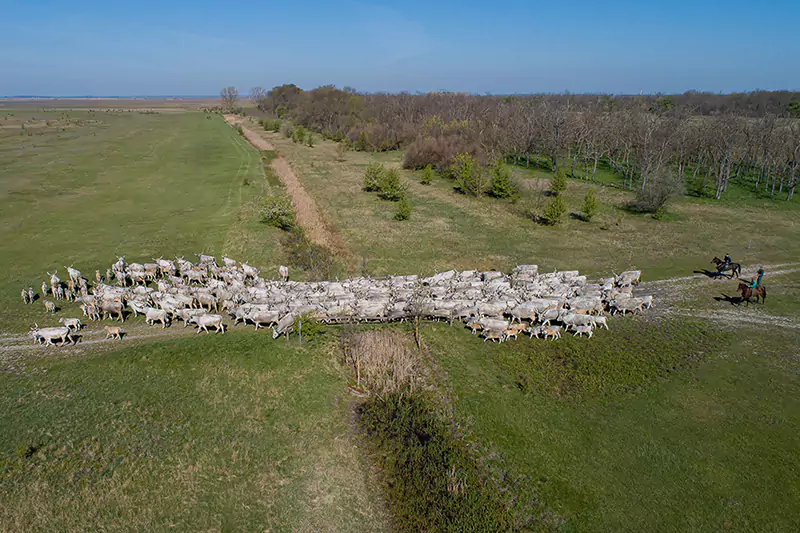
For centuries, the most important economic activity in Hortobágy and its surroundings was pasture-based animal husbandry. This industry served as a reliable livelihood for the population of Debrecen, the largest market town, as well as other agricultural settlements, and was the key to their wealth. In the past, tens of thousands of livestock grazed the pastures. Although their numbers have decreased over time, their role in maintaining the distinctive landscape of the region remains undeniable.
Nonius Horse
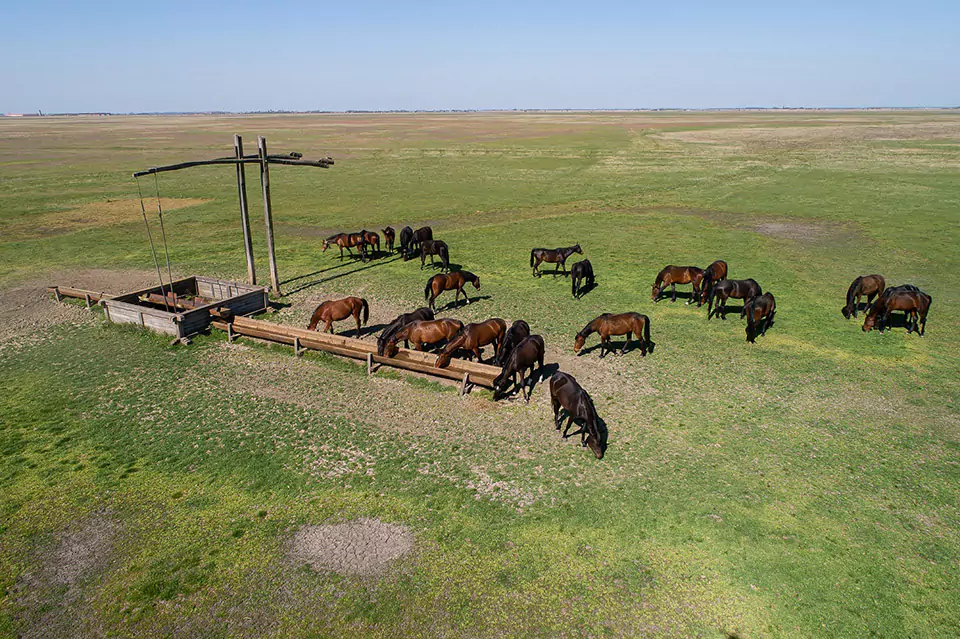
The story of the Nonius horse began in the 19th century in Hungary. Its progenitor, a French stallion named Nonius Senior, was seized by the Austrian imperial army during the Napoleonic Wars. In 1816, the stallion arrived in Mezőhegyes, where the breed was quickly developed to meet the practical demands of the time. According to historical records, the Nonius was introduced to Hortobágy in the mid-1800s, marking the start of a deliberate breeding program led by Hungary’s foremost equine expert, Ferenc Kozma.
Thanks to his rigorous professionalism, the herd became uniform, and the Hortobágy strain of the Nonius emerged. This variant was smaller and more robust than its Mezőhegyes counterpart, with a bay coat being its defining feature. Máta became the center of horse breeding and grazing management in the region. After World War II, the Nonius was no longer used for military purposes and saw limited use in agriculture until the 1970s.
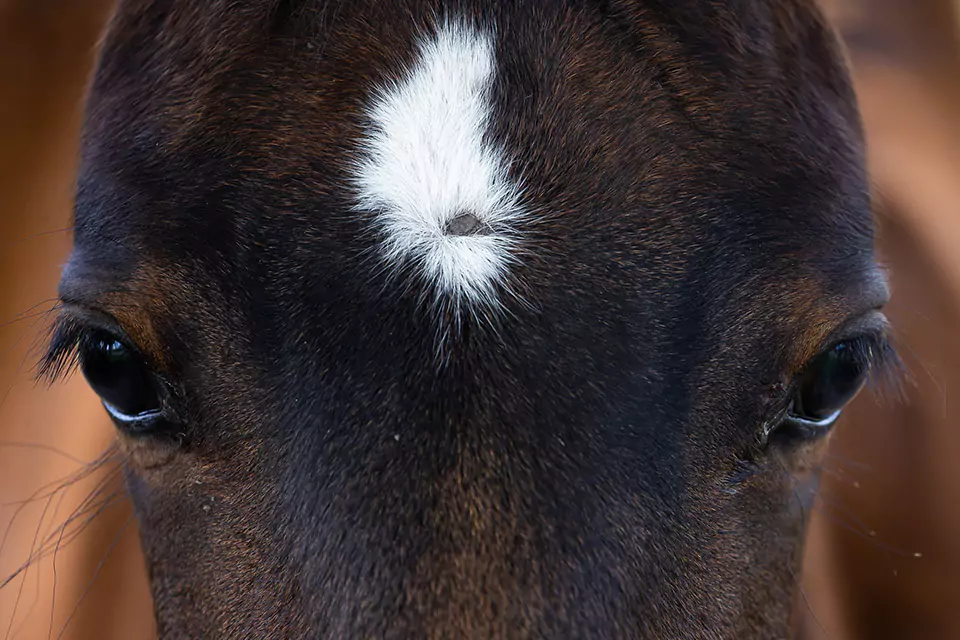
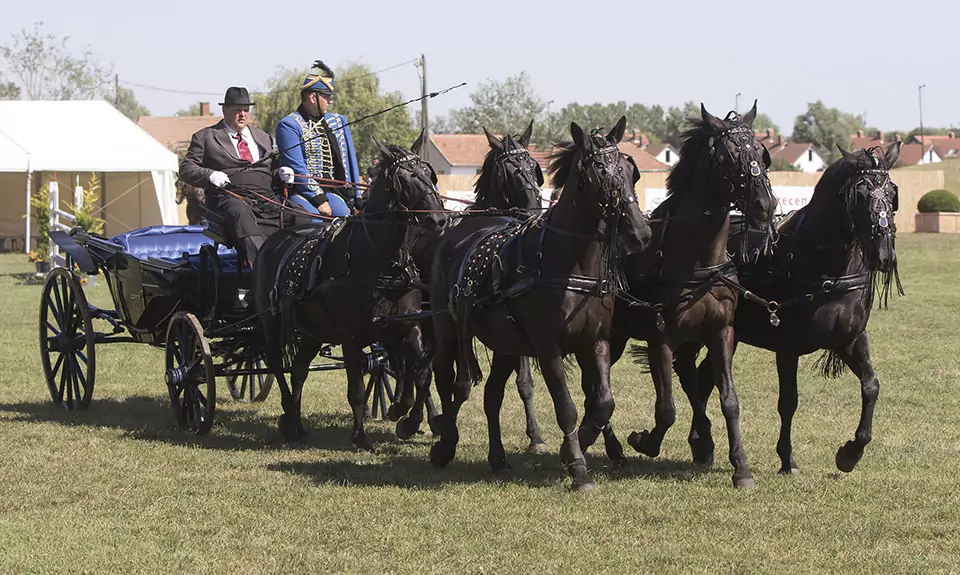
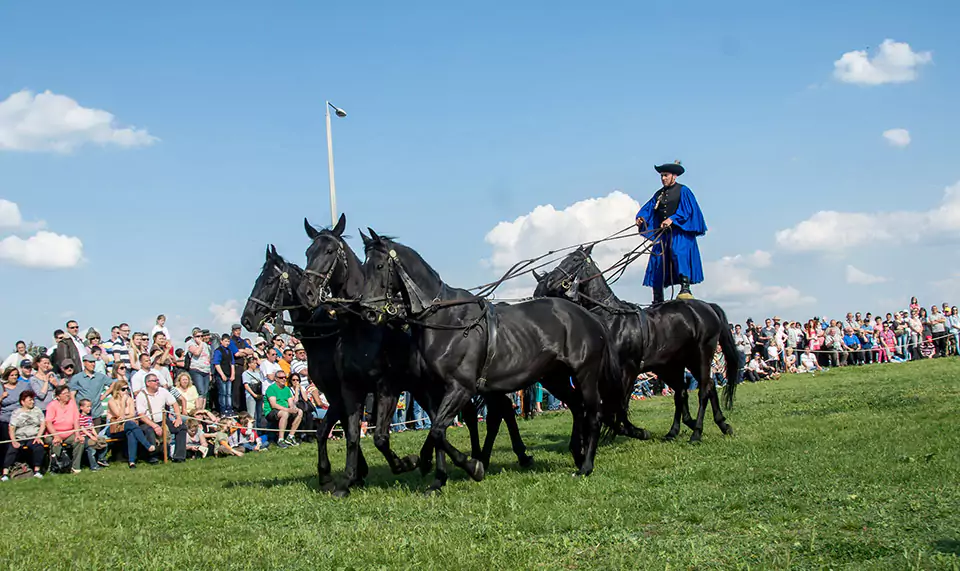
The breed is recognized for its distinctive head shape, often slightly coarse with a Roman or semi-Roman nose, proportional to its body size. Renowned for its exceptional work ethic, calm temperament, and endurance, the Nonius excels not only as a draft horse but also in carriage driving sports.
Hungarian Grey Cattle
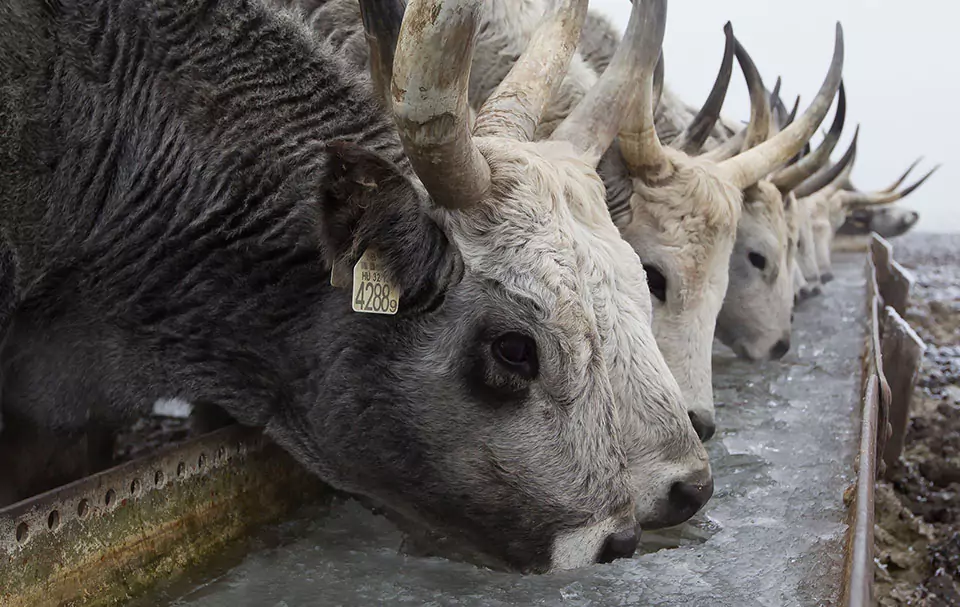
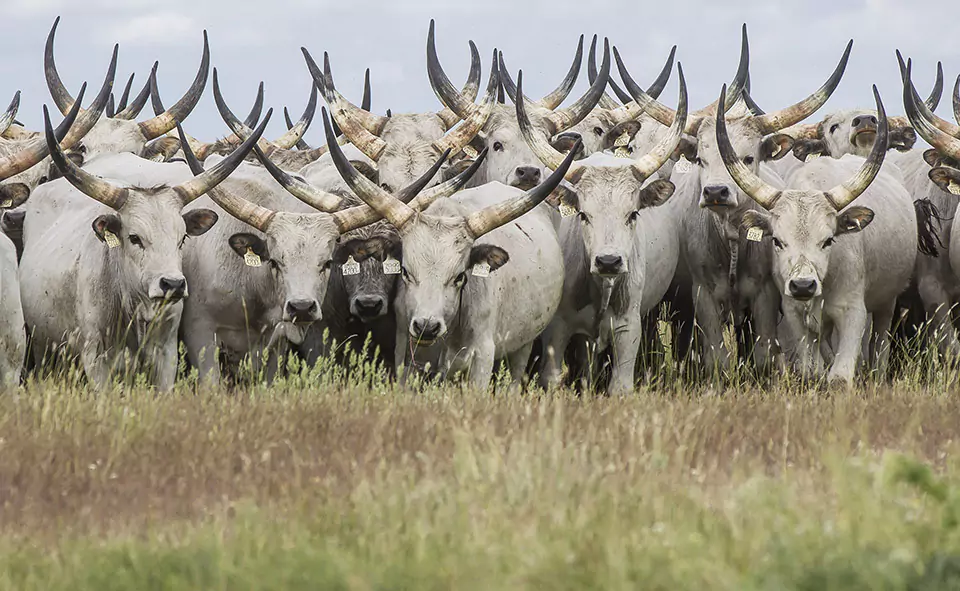
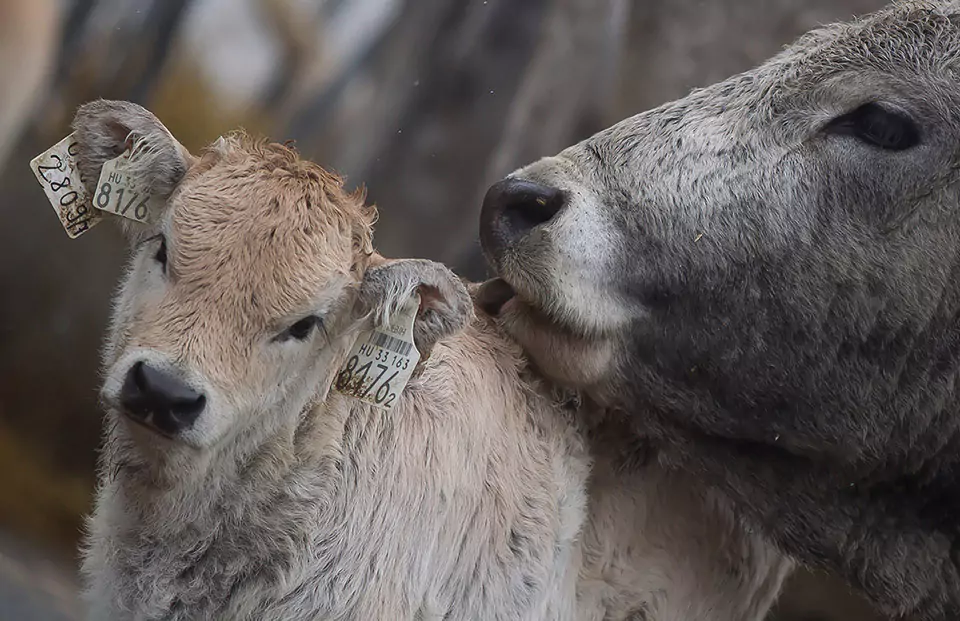
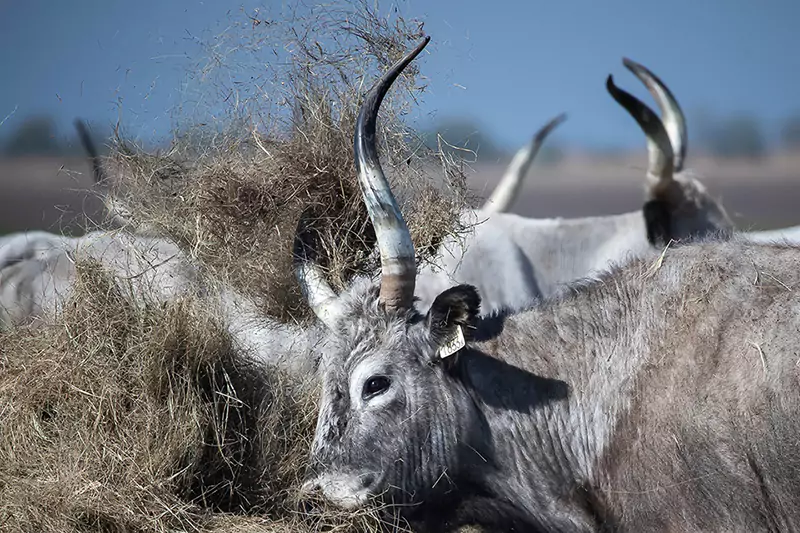
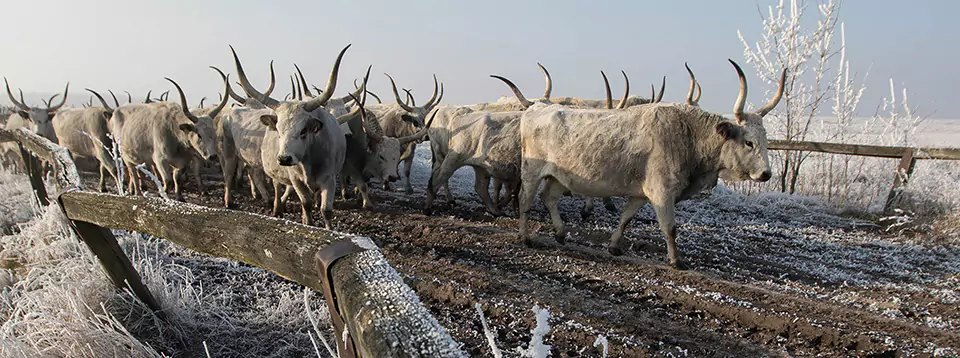
The Hungarian Grey Cattle, with its majestic appearance exuding primal strength and dignity, has rightfully become a symbol of Hungarian heritage. Although its origins remain unclear, it is known that by the Middle Ages, the breed was widely kept in the Carpathian Basin. At one point, it was Hungary's main export product, as these resilient and durable animals were driven on foot to markets as far away as Vienna, Germany, and Italy.
Several aristocratic families, including the Zrinyis, Thökölys, and Nádasdys, were engaged in cattle trade. The fate of these animals was closely intertwined with the lives of their herders, whose pastoral culture has survived as a vibrant tradition and part of Hungarian cultural history.
The breed's popularity remained unbroken until the 20th century when mechanization and the introduction of other cattle breeds with more favorable traits nearly led to its extinction. In the 1960s, the breed reached its lowest point. However, thanks to the dedication of a few committed professionals who defied regulations to save the remaining animals, the Hungarian Grey Cattle survived. Today, approximately 400 breeders are dedicated to this breed, with the largest population found in Hortobágy.
These cattle spend most of the year grazing on open pastures, consuming natural forage that includes grasses and medicinal herbs abundant in the plains. This diet results in premium-quality meat with exceptional flavor, which is increasingly featured in restaurants, although it remains rare on store shelves.
Racka Sheep
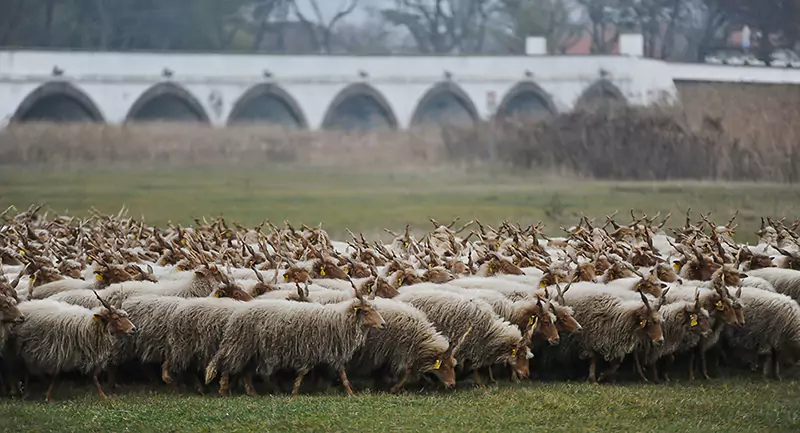
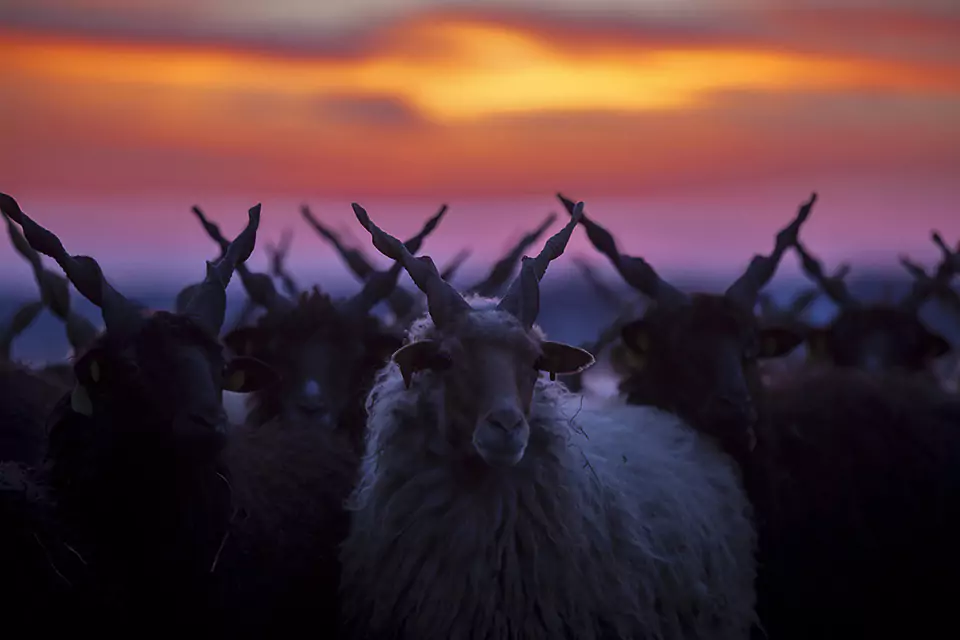
The Racka sheep of Hortobágy, renowned for its upright twisted horns and proud stance, is unique among the world's sheep breeds. As Hungary's largest sheep breeder, Hortobágy Nonprofit Ltd. plays a crucial role in preserving the ancient genetic diversity of this breed. Interestingly, locals of Hortobágy regard the Racka as the only true sheep, while all other breeds are simply "birka."
Domestic Buffalo
The buffalo is one of Hungary's oldest domesticated animals, brought to the Carpathian Basin from Asia during the Migration Period, likely by the Avars. As a southern species, buffaloes require indoor housing during the winter, as they lack a winter coat. In summer, they cool off in mud or puddles, protecting themselves from parasites and overheating. Remarkably, they can outrun a horse over short distances when threatened.
Buffalo meat is highly flavorful due to its high iron content. In the past, they were used as draft animals, and in Italy, they are milked for making authentic mozzarella cheese. Their strength and adaptability made them essential to agriculture until the early 20th century, when machinery replaced them.
By the turn of the millennium, only two small herds remained, one of which was in Hortobágy. Today, their population is slowly increasing.
Gallery